Daily Oral Care: Simple Habits for a Healthier Smile
Updated: Feb 14
Daily oral care starts at home, and the way you brush, floss, rinse, and eat each day has a powerful impact on your long-term dental health. With decades of experience caring for families and seniors in Baltimore County, Dr. Alan Scharf DDS leads a team that is dedicated to helping you protect your smile between visits. Our dental hygienist, Maggie, focuses on patient education and practical at home cleaning tips so you can keep your teeth and gums healthier every day.
Below are five simple steps you can follow to protect and transform your smile through safer, more effective habits at home.
Step 1 – Brush the Right Way Every Day
How Often and How Long to Brush
Our dental hygienist recommends brushing your teeth at least twice a day for two full minutes each time, once in the morning and once before bed. This routine removes the sticky film of bacteria, called plaque, that builds up on your teeth and gums throughout the day. To make sure you brush long enough, you can set a timer or hum a favorite song while you brush. Use gentle, circular motions and angle the brush toward the gumline so you clean where the teeth and gums meet. Avoid scrubbing too hard, because aggressive brushing can wear down enamel and irritate your gums over time.

Choosing the Right Toothbrush and Toothpaste
The type of tooth brush you use plays an important role in your daily oral care. We also suggest choosing a soft-bristled toothbrush because it is kinder to your gums while still doing a good job of removing plaque. An electric toothbrush can be especially helpful for seniors or anyone with limited hand strength, because it does much of the motion for you. To get the most benefit from brushing, pair your brush with a fluoride toothpaste, which helps strengthen enamel and makes teeth more resistant to decay. It's also recommended to use a fluoride rinse once a day if she feels your teeth need extra support.
Step 2: Do Not Skip Flossing
Why Flossing Matters for Dental Hygiene
Brushing alone cannot clean all the surfaces of your teeth, especially the tight spaces between them. That is why we strongly encourage patients to floss once a day as part of their at home dental hygiene routine. Daily flossing removes food and plaque from between teeth and along the gumline, which helps reduce the risk of cavities, gum disease, and bad breath. Flossing at night is especially helpful because it cleans your mouth before you go to sleep, when saliva flow is lower and bacteria can build up more easily.
Tips for Easy At Home Dental Hygiene Between Teeth
Slide the floss between two teeth, curve it into a “C” shape against one tooth, and move it up and down to clean under the gumline, then repeat on the neighboring tooth. Avoid snapping the floss in and out of the space, which can injure your gums. With a little practice, flossing becomes quick and easy, and it provides a big boost to your at home oral cleaning.
Step 3: Boost Your Routine with Rinses and Water Flossers
Using Fluoride Rinses and Listerine Safely
Our dental hygienist Maggie often recommends adding a mouth rinse as a simple way to strengthen your at home oral care routine, especially for patients who are at higher risk for cavities or gum problems. A fluoride rinse can help rebuild and protect enamel, and a Listerine rinse can reduce bacteria and freshen your breath when used as directed. She will review your medical and dental history and suggest a rinse that fits your needs. Always follow the instructions on the bottle, do not swallow the rinse, and avoid eating or drinking for about 30 minutes afterward so the active ingredients can work.
How a Waterpik Can Support At Home Oral Care
For some patients, our hygienist may suggest using a Waterpik or other water flosser as part of their daily routine. Water flossers use a gentle stream of water to flush away food particles and plaque from between the teeth and around the gums. They can be especially helpful if you have braces, dental bridges, dental implants, or areas that are hard to reach with regular floss. It's important to keep in mind a water flosser is a helpful addition, not a complete replacement for flossing.
Step 4: Eat for a Healthier Smile
Limit Sugary and Sticky Snacks
What you eat and drink during the day has a strong effect on your teeth. We advise patients to limit sugary snacks and drinks, especially sticky candies like caramels and gummies that cling to the teeth. These foods feed cavity-causing bacteria and can stay on the tooth surface for a long time. If you do enjoy sweets, it is better to have them with a meal instead of snacking on them all day, and then drink water afterward to help rinse away sugar and acids.
Simple Diet Habits That Help Transform Your Smile Over Time
We encourage patients to think of their daily diet as part of their overall dental hygiene plan. Choosing a balanced diet with plenty of calcium-rich foods, such as milk, yogurt, and leafy greens, supports strong teeth. Crunchy fruits and vegetables like apples, carrots, and celery can help clean the tooth surfaces as you chew. Drinking water throughout the day, especially fluoridated water, also helps wash away food debris and acids and supports enamel health. Over time, these simple choices can gradually transform your smile by keeping it brighter, stronger, and healthier.
Step 5: Partner with Your Dental Team
How Regular Checkups Support Your Daily Routine
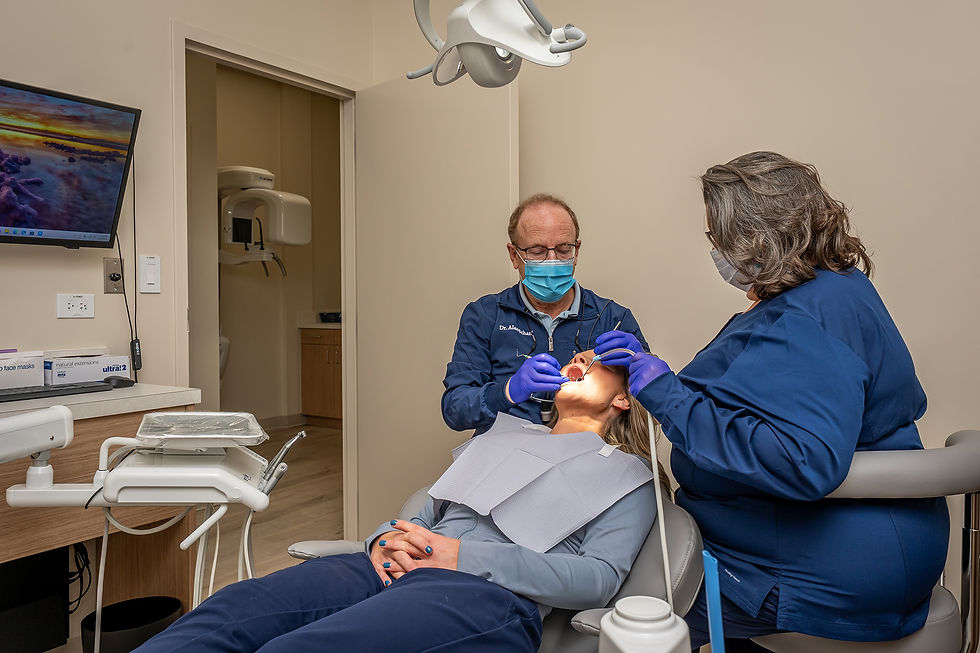
Even the best at home dental hygiene routine cannot replace professional care. Regular checkups and professional cleanings give our team a chance to remove hardened tartar, check your gums, and spot early signs of problems such as small cavities or irritation. For most patients, visits about every six months are recommended, although Dr. Scharf may suggest a different schedule based on your individual needs. These visits work together with your daily oral care at home to protect your teeth and gums over the long term. Remember that advice in this article is a general guide and does not replace a personalized exam and recommendations from your dental professionals. If you're interested in scheduling a dental check-up, please call (410) 429-8898 or reach us at with our contact form.


Comments